
Gothic Style Consultation
The Gothic style emerged in 12th-century France and transformed European architecture for three centuries. Characterised by pointed arches, ribbed vaulting, flying buttresses, and expansive stained glass, Gothic buildings achieved unprecedented height and luminosity.
Our consultation examines the structural logic behind Gothic innovations, analysing how weight is distributed through external buttressing systems to enable soaring interior spaces. We provide detailed assessments of:
- Pointed arch geometry and structural efficiency
- Ribbed vault construction and load paths
- Flying buttress design and placement
- Tracery patterns and window design
- Material specifications for restoration or new construction
Whether you're restoring an existing Gothic structure or incorporating Gothic elements into contemporary design, we provide the technical and historical knowledge needed for successful execution.
Renaissance Proportion Studies
Renaissance architecture returned to classical principles, emphasising symmetry, proportion, and the systematic use of classical orders. Based on mathematical ratios and humanistic ideals, Renaissance buildings express harmony between parts and whole.
Our proportion studies analyse your project through the lens of Renaissance architectural theory, examining how classical orders, proportional systems, and geometric relationships can inform design decisions. Services include:
- Classical order specification and detailing
- Proportional system analysis using Renaissance ratios
- Facade composition and symmetry studies
- Window and door placement based on harmonic proportions
- Integration of classical elements in contemporary contexts


Baroque Integration
Baroque architecture emerged in late 16th-century Italy, introducing dramatic movement, emotional intensity, and theatrical effects. Characterised by curved forms, rich ornamentation, and dynamic spatial sequences, Baroque design creates powerful experiential impact.
Our integration service helps you incorporate Baroque principles into contemporary projects, whether through faithful restoration or creative reinterpretation. Consultation covers:
- Curved and undulating facade design
- Spatial sequences and processional paths
- Ornamental systems and decorative programmes
- Light manipulation and dramatic effects
- Integration of sculpture and architecture
Art Nouveau Heritage Analysis
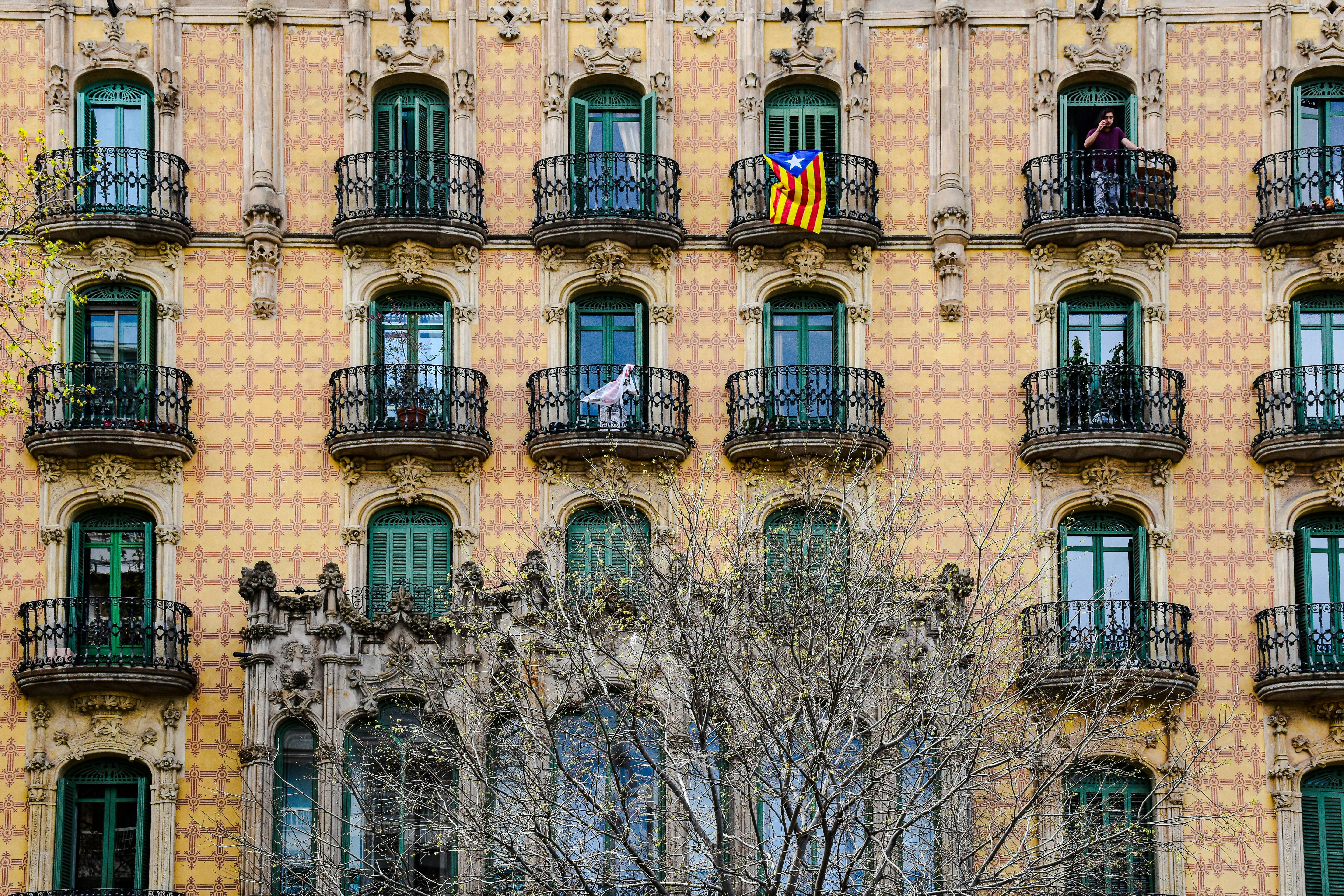
Art Nouveau flourished between 1890 and 1910, rejecting historical styles in favour of organic, nature-inspired forms. Characterised by flowing lines, stylised botanical motifs, and innovative use of materials like iron and glass, Art Nouveau represents a complete design philosophy.
Our heritage analysis examines Art Nouveau buildings and decorative systems, providing insights for preservation, restoration, and adaptive reuse. Analysis includes:
- Organic form analysis and structural systems
- Decorative ironwork and metalwork assessment
- Glazing systems and stained glass conservation
- Material specifications for period-appropriate repairs
- Integration of Art Nouveau elements in renovations
Romanesque Structural Assessment
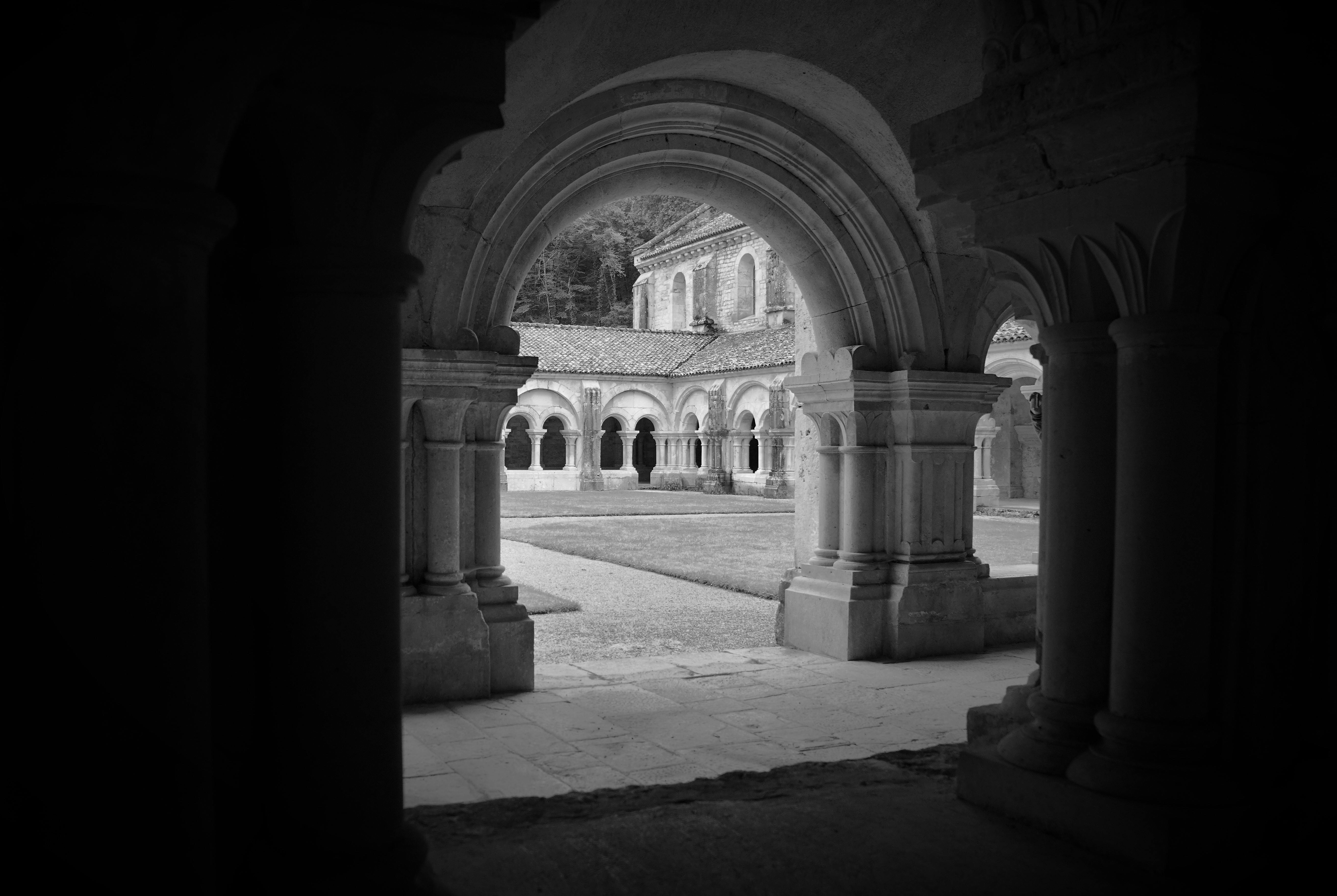
Romanesque architecture dominated Europe from the 10th to 12th centuries, characterised by massive walls, rounded arches, barrel vaults, and fortress-like solidity. These structures embody impressive engineering achievements using simple geometric forms.
Our structural assessment evaluates Romanesque buildings for stability, load-bearing capacity, and conservation needs. Assessment covers:
- Masonry condition and structural integrity
- Rounded arch analysis and support systems
- Vault stability and thrust calculations
- Foundation assessment and settlement monitoring
- Recommendations for structural reinforcement